



Architecture & Urban Planning
Elevating Aesthetics, Building Communities
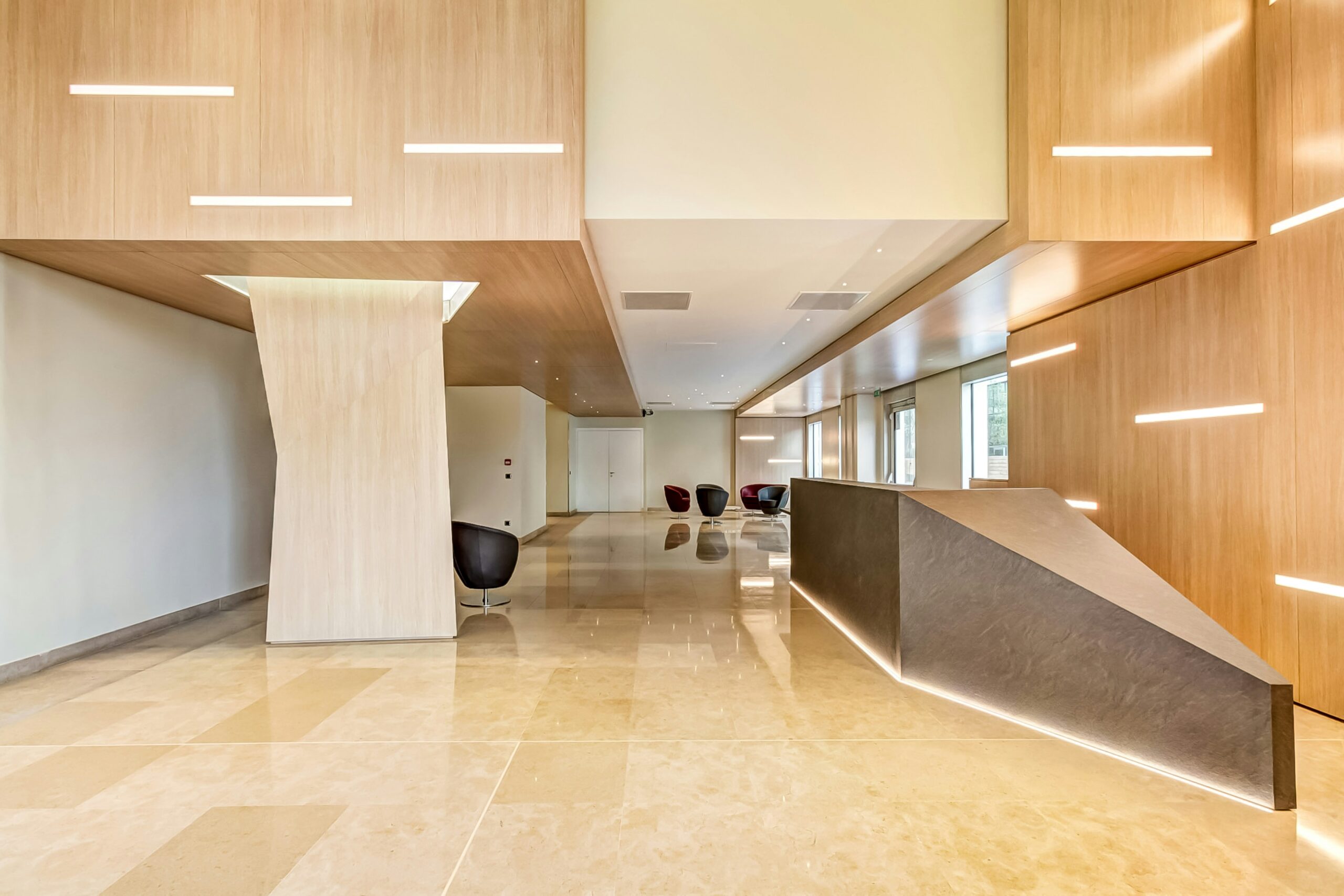
Each architectural design project begins with an idea that is transformed into a unique and functional concept. This approach involves not only creating visually appealing structures, but also designing spaces that promote social interaction and strengthen communities. By integrating aesthetic and functional principles, we seek to optimize the use of space and improve the quality of life of its inhabitants. Thus, architectural design becomes a powerful tool to transform environments, creating places that inspire and connect people in a meaningful way.
The architectural design process also involves a deep understanding of the context in which the projects are inserted. This involves considering factors such as history, local culture, climate and the specific needs of users. Each environment has its own character, and the architect must be able to integrate with that environment in a respectful and harmonious way. In doing so, the design not only responds to a functional challenge, but also establishes a dialogue with its surroundings, promoting a sense of belonging and continuity.
Furthermore, sustainability has become an essential principle in contemporary architecture. Architects are increasingly committed to creating spaces that are not only functionally and aesthetically efficient, but also respect and protect the environment. This includes the use of recyclable materials, the use of renewable energy and the design of buildings that minimize environmental impact. By adopting these principles, architecture not only fulfills an immediate function, but also contributes to the construction of a more responsible and environmentally conscious future.